Documents Required for GST Audit

Getting ready for a GST audit isn’t just about having the right numbers in your returns—it’s about showing tax authorities that your business has its paperwork in order and that you’ve done things the right way. Whether it’s a departmental audit or your own self-check, having clear records makes the whole process quicker and less stressful.

What You Need for a GST Audit

When a GST audit happens, you’ll need to present a wide range of documents. Keeping everything well-organised not only speeds up verification but also helps clear up any questions that might arise. Let’s break down what you should be prepared to show:

1. Financial Statements and Accounting Records

  • Your balance sheet and profit & loss account, along with supporting schedules
  • Trial balance for each GST registration and business location
  • Annual report and a summary of your business results (where relevant)
  • Full ledger records—sales, purchases, expenses, assets, and job work (if you outsource work)
  • Bank statements with matching records showing GST payments received or made

2. GST Returns and Related Filings

  • Copies of all filed returns: GSTR-1 (sales), GSTR-3B (summary), quarterly/annual filings
  • Annual return (GSTR-9) and reconciliation statement (GSTR-9C)
  • Evidence of tax payments: online challans for CGST, SGST, IGST, and any late payment interest
  • Records of refunds claimed and received, if you ever applied for a GST refund

3. Invoices, Notes, and Documents for Supplies

  • Tax invoices, bills of supply from suppliers, and those issued by your business itself
  • All purchase invoices that form the basis for claiming ITC (Input Tax Credit)
  • Debit notes and credit notes given or received during the audit period
  • Delivery challans, e-way bills for goods moved, and related transport paperwork
  • Contracts, purchase orders, and service agreements supporting your sales or purchases

4. Input Tax Credit (ITC) Records

  • Detailed history of ITC: claimed, used, and reversed over the audit period
  • Supplier-wise reconciliation between your claim and what your supplier declared (using GSTR-2A/2B)
  • Records for any items purchased under the Reverse Charge Mechanism (RCM), along with evidence of tax paid

5. Compliance & Supporting Records

  • Your GST registration certificate, plus any changes made during the year
  • Stock books, manufacturing registers, and job-work books (for manufacturers)
  • Any internal audit, cost audit, or income tax audit reports for the year
  • Documents explaining the classification under HSN/SAC codes, tax rates, and special exemptions
  • Proof of schemes used, like composition scheme or export/SEZ benefits

Checklist for Audit Preparation

  • Make sure all sales and purchases match what’s reported in your GST returns.
  • Check that the ITC claimed lines up with supplier filings—if your supplier hasn’t paid the tax, you may lose that credit.
  • Keep all invoices, notes, and contracts in chronological order for easy review.
  • Maintain logs of e-way bills and transport documents, especially for interstate goods movement.
  • Reconcile your annual financial statements with GST data—explain any major gaps before an audit starts.
  • Hold onto official notices, past audit reports, and responses—they often come in handy.
  • Store all books and records for at least six years (more if your business needs).

Why Keeping Records Matters

  • These documents prove your GST has been calculated, charged, and paid according to the law
  • Good documentation protects you from penalties and interest in case of mismatches or errors
  • Audits tend to finish faster when everything is easy to find
  • Strong records help you show transparency and control, earning you trust with both authorities and customers

Conclusion

A GST audit is simply part of business life for many registered taxpayers. By keeping your paperwork up-to-date, organized, and thorough all year, you can turn the audit process from a headache into just another routine check. It’s really about having good habits—record everything promptly, review and match your returns, and store everything where it’s easy to find. This approach reduces risk, shows you care about compliance, and keeps your business safe, strong, and trustworthy.

Highlights of the 56th GST Council Meeting

The 56th GST Council Meeting was held on 3rd September 2025 in New Delhi, marking an important step towards implementing next-generation GST reforms. The meeting was chaired by the Union Finance Minister and attended by finance ministers from all states and union territories. Major reforms were introduced to simplify the tax structure, rationalize GST rates, improve refund mechanisms, and enhance compliance transparency.

Key Outcomes and Announcements

  • The GST Council approved a two-tier GST rate structure of 5% and 18%, eliminating the previous 12% and 28% slabs.
  • A new 40% GST slab was introduced for sin goods such as tobacco, aerated beverages, luxury cars, and gambling.
  • Notifications were issued by the Central Board of Indirect Taxes and Customs (CBIC) on 17th September 2025, making most rate changes effective from 22nd September 2025.
  • GST exemptions were approved for life and health insurance, reducing the tax burden on individuals.
  • The Council also announced the launch of pre-filled returns and automated GST refunds to simplify compliance.
  • The Goods and Services Tax Appellate Tribunal (GSTAT) will become operational in 2025, with the Principal Bench serving as the National Appellate Authority for Advance Ruling.

Structural and Legal Reforms

  1. Simplified Tax Slabs
    • Removal of 12% and 28% slabs
    • Retention of 5% and 18% as standard rates
    • Introduction of 40% for high-end and demerit goods
  2. Revised Refund Mechanism
    • From 1st November 2025, CBIC will implement 90% provisional refunds based on risk evaluation for inverted duty structures and zero-rated supplies
    • Exporters can now claim refunds without threshold limits, including those using postal or courier exports
  3. GSTAT Deadlines
    • Appeals to be accepted by 30th September 2025
    • Hearings to commence before 31st December 2025
    • The backlog appeal limitation is set until 30th June 2026
  4. Amendments to CGST Sections 15 and 34
    • Discount provisions simplified; linking discounts to agreements removed
    • Post-sale discounts now require input tax credit reversal by recipients if supply value is reduced through credit notes
  5. Change in “Place of Supply” Rule
    • For intermediary services, the place of supply will be the location of the recipient, aligning with IGST Section 13(2)
    • This change helps exporters claim export benefits more easily
  6. Simplified GST Registration for Small E-Commerce Suppliers
    • A new scheme for small suppliers selling through e-commerce platforms allows easier registration and compliance

GST Rate Changes

  • GST Rate Reduces
CategoryItemsOld Rate (%)New Rate (%)
Daily EssentialsHair oil, shampoo, toothpaste, toilet soap bar, toothbrushes, shaving cream185
Butter, ghee, cheese & dairy spreads125
Pre-packaged namkeens, bhujia & mixtures125
Utensils125
Feeding bottles, napkins for babies & clinical diapers125
Sewing machines & parts125
AgricultureTractor tyres, small tractors (<1800 cc), bio-pesticides, micro-nutrients12–185
Drip irrigation systems, sprinklers, agricultural machines125
HealthcareHealth & life insurance18Exempted
Thermometers, medical oxygen, diagnostic kits, glucometers, corrective spectacles12–185
33 essential drugs & medicines12Nil
AutomobilePetrol/LPG/CNG small cars, diesel cars, three-wheelers, motorcycles ≤350cc2818
Goods transport vehicles2818
EducationMaps, charts, pencils, crayons, notebooks, erasers5–12Nil
ElectronicsAir conditioners, TVs, monitors, projectors, dishwashers2818
  • GST Rate Increases
CategoryItem DescriptionOld Rate (%)New Rate (%)
MiningCoal, lignite, peat518
Sin GoodsTobacco, pan masala, aerated drinks, caffeinated beverages2840
Luxury vehicles, aircraft, yachts, sports vessels2840
Motorcycles >350cc, revolvers, pistols2840
Casinos, race clubs, betting, online gaming28 (with ITC)40 (with ITC)
Paper IndustryDissolving-grade wood pulp, paperboards1218
TextilesApparel/made-ups > ₹2,500, quilts > ₹2,5001218

Other Key Decisions

  • Compensation Cess Extension: The cess will continue till March 2026 to repay pending state loans. A new Health and Clean Energy Cess may replace it thereafter.
  • Inverted Duty Structure: Correction approved for fertilizer, textile, and paper industries to promote balanced taxation.
  • Retail Price Valuation: Tobacco products will be taxed based on retail sale price rather than transaction value.
  • No Change in GST Returns Filing Frequency: Monthly and quarterly return cycles will remain unchanged.

Conclusion

The 56th GST Council Meeting introduced major structural and rate reforms under India’s Next-Generation GST framework. The move toward a simplified two-rate structure (5% and 18%) aims to enhance ease of doing business, reduce litigation, and improve revenue stability. With exemptions in the healthcare and education sectors, rationalization of rates on essentials, and stricter taxation on luxury and sin goods, the reforms strike a balance between public welfare and fiscal consolidation.

These measures collectively mark a major step in India’s evolving GST regime, making it simpler, more transparent, and business-friendly.

Luxury & Sin Goods Tax (40% Slab): Legal Basis, Extent, and Examples

The implementation of GST 2.0 in September 2025 marked a significant shift in India’s Goods and Services Tax (GST) system, establishing a 40% GST bracket for luxury and “sin” products. By combining several rates and cess systems, this action simplifies taxes while imposing greater taxes on luxury and perhaps potentially dangerous products.

Legal Basis for 40% GST

The CGST Act of 2017 is the base legislation for the 40% GST slab, which gives the GST Council the power to group items into tax slabs according to their classification, demand elasticity, and social repercussions. High-end motorcycles, tobacco products, pan masala, and other luxury and sinful goods were previously subject to a 28% GST tax plus an extra compensating cess. The multiple rates were eliminated by GST 2.0, and a flat 40% GST was applied to these kinds of goods.

There are two reasons for this:

  1. Revenue Mobilisation – High-margin goods ensure a stable and significant revenue stream for both central and state governments.
  2. Behavioural Influence – For sin goods like tobacco, sugary drinks, or caffeinated beverages, higher taxation discourages consumption, promoting public health.

Scope of the 40% Slab

The 40% GST slab applies to a limited and specific set of goods and services. Major categories include:

  1. Tobacco & Related Products: Cigarettes, cigars, cheroots, pan masala, gutkha, and reconstituted tobacco.
  2. Sugary & Carbonated Beverages: Aerated drinks, energy drinks, and carbonated fruit beverages.
  3. Luxury Motorcycles: Motorcycles with engine capacity exceeding 350 cc.
  4. Gaming & Betting Services: Casinos, online gaming platforms, lotteries, horse racing, and race club services.
  5. Luxury Goods & Services: Yachts, private jets, pleasure vessels, and other high-end recreational vehicles.
  6. Weapons & Accessories: Pistols, revolvers, smoking pipes, and similar items.

The transaction value is now the base for calculating GST, which means the effective tax component is often higher than the prior 28% + cess structure, since GST applies to the full retail price.

Financial and Policy Implications

For Consumers: The most immediate impact is higher costs. Products in the 40% slab, such as luxury motorcycles or sugary drinks, are noticeably more expensive. For niche luxury goods like yachts or private aircraft, buyers may reconsider purchases or defer acquisitions.

For Businesses: Companies need to update billing systems, revise pricing, and manage working capital to account for higher tax liability. Compliance costs may rise, especially for manufacturers and retailers dealing with multiple product categories.

Policy Benefits: By consolidating multiple cess and tax structures into a single slab, GST 2.0 aims to simplify compliance and reduce administrative burdens while ensuring that revenue from luxury and sin goods remains predictable.

Examples

Several hypothetical examples demonstrate the impact of the 40% GST:

  • Sugary Aerated Drink: Previously taxed at around 30–35% (including cess), it now attracts 40% GST on transaction value, increasing the effective tax by 5–10 percentage points.
  • Premium Motorcycles (>350cc): GST liability rises from 28% + cess to a flat 40%, significantly impacting the total cost.
  • Casino or Large-Scale Betting Tickets: The tax on a ₹1,000 ticket increases from ₹280 to ₹400, emphasising higher government revenue.

Traditionally, such classifications have faced scrutiny for fairness. Earlier, the Compensation Cess on tobacco and pan masala led to complex compliance challenges. By shifting to a unified 40% GST, the government aims to streamline enforcement while ensuring that high-tax goods continue to fund public expenditure effectively.

Exceptions and Clarifications

Not all high-value or sin-adjacent items are in the 40% slab. Small cars, essential food items, medicines, and household staples largely remain in 0%, 5%, or 18% GST slabs. Some transitional issues persist for tobacco and gutkha until all compensation cess liabilities are cleared. Importantly, the CGST/SGST split ensures that while consumers see “40% GST”, the revenue is shared between the Centre and the State for intrastate transactions.

Conclusion

An important development in India’s tax system is the implementation of the 40% GST slab under GST 2.0. The government accomplishes two goals by levying a high, consistent tax on luxury and sinful goods: it reduces taxes and increases public revenue while also quietly changing consumer behaviour. The change necessitates strategic planning, strong compliance, and adaptation for businesses. The impact on consumers, however, would mostly appear as higher costs for luxury and possibly hazardous products.

In general, the 40% GST slab makes it easier to distinguish between essentials and luxury, reflecting India’s effective, open, and socially responsible approach to contemporary indirect taxation.

How Tax and GST Reforms Affect Real Estate and Construction Companies

One of the primary factors of India’s economy is the real estate and construction industry. In addition to providing infrastructure, housing, and commercial space, it also generates millions of employment nationwide. Nonetheless, tax laws have always had a significant impact on the industry. One of the most significant changes that altered the way the sector operates was the implementation of the Goods and Services Tax (GST) in 2017. Developers, contractors, and buyers have all been impacted by additional adjustments to GST rates and compliance requirements over time.

Pre-GST Scenario in Real Estate

Before GST, the real estate sector was subject to multiple taxes such as Value Added Tax (VAT), Service Tax, Central Sales Tax (CST), Excise Duty, and Entry Tax. Buyers of under-construction properties also had to pay VAT, service tax, registration charges, and stamp duty. Since VAT and stamp duty varied from state to state, there was no uniformity in taxation.

Developers faced cascading taxes, as many levies like CST and excise duty did not allow input credit. As a result, the cost of construction increased, and the burden was ultimately passed on to buyers. Transparency in pricing was limited, and disputes over double taxation were common.

GST and Its Impact

With GST, multiple indirect taxes were merged into a single framework. For the first time, there was uniformity in taxation across the country. This was seen as a major relief for developers and buyers.

  • Under-construction properties: GST is levied since they are treated as a supply of services. Initially, the rate was 12%, but later it was reduced to 5% for non-affordable housing and 1% for affordable housing (without input tax credit).
  • Ready-to-move properties: These continue to remain outside GST since the sale of completed property is neither a supply of goods nor services.
  • Works contracts: Construction services provided to government authorities and infrastructure projects attract GST at 12% or 18%, depending on the type of contract.

Impact on Developers and Builders

For developers, GST has had mixed consequences.

Positive Effects:

  • Multiple taxes like excise duty, CST, and entry tax were subsumed, simplifying compliance.
  • Availability of input tax credit (ITC) on construction materials such as steel, paints, and tiles reduced overall costs.
  • Logistics and procurement became easier due to a unified tax structure across states.

Challenges:

  • The withdrawal of ITC for residential projects after April 2019 increased costs. Developers cannot claim credit for GST paid on raw materials like cement (28%) and steel (18%). This has reduced their profit margins.
  • Compliance requirements such as monthly returns, matching of invoices, and the reverse charge mechanism (RCM) on certain transactions have increased paperwork for builders.
  • Price adjustments became difficult as developers had to carefully calculate how much ITC benefit could be passed to buyers.

Impact on Buyers

For homebuyers, GST reforms brought both clarity and relief in certain cases.

  • On under-construction properties, the effective tax burden is now lower compared to the pre-GST era when VAT and service tax together added around 6–7%.
  • Ready-to-move-in flats remain free from GST, which is an advantage for buyers seeking completed properties.
  • However, the non-availability of ITC for residential projects means developers often build GST costs into the property price, indirectly raising the cost for buyers.

Construction Companies and Infrastructure Projects

For construction companies engaged in government and private infrastructure projects, GST has streamlined operations. A uniform 18% GST on works contracts with ITC has made it easier to claim credit on inputs and services. At the same time, higher tax rates on key inputs like cement (28%) have increased costs.

Subcontractors, especially in government projects, are also affected by changes. The GST Council has revised works contract tax rates several times, most recently raising the rate on contracts involving earthwork from 12% to 18%. While ITC is available, the immediate cash outflow has become heavier for contractors.

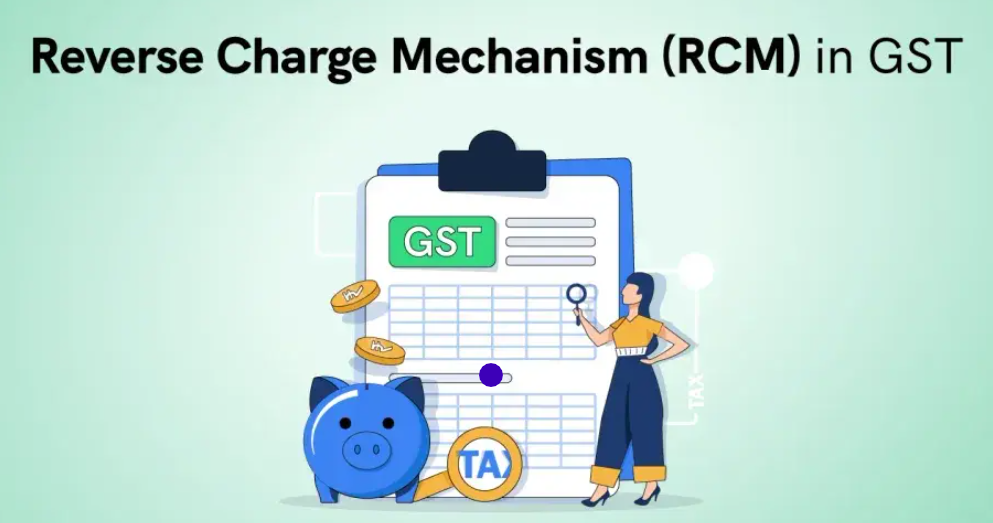
Reverse Charge Mechanism (RCM)

One area where developers face additional costs is the reverse charge mechanism. If they procure goods or services from an unregistered supplier, they are liable to pay GST under RCM. This increases compliance and cash flow issues, particularly for small and medium developers.

Other Considerations: Stamp Duty and Registration

It is important to note that GST has not replaced stamp duty and registration charges. These continue to be levied by state governments and usually range from 5% to 7% of the property value. Since stamp duty is outside the scope of GST, buyers still face an additional cost burden.

Conclusion

India’s construction and real estate sectors have surely changed as a result of the tax and GST reforms. High input costs and restricted credit benefits continue to be problems, despite the fact that they have improved compliance and simplified the tax structure. It is critical for contractors, purchasers, and developers to adjust to the changing tax scenario. In the end, how well GST reforms work for this crucial area of the economy will depend on a well-rounded strategy that promotes both industry expansion and customer affordability.

Taxation of Service Sectors like Salons, Gyms, and Insurance in India

Over the past two decades, India’s service sector has expanded rapidly and has become an important part of the economy. Some of the areas where this is most visible are personal care (salons, beauty parlors), fitness (gyms, yoga centers, wellness programs), and financial services (insurance and related products). These areas have been driven by changing lifestyles, income levels, and increasing awareness of health and financial well-being. In 2017, with the introduction of the Goods and Services Tax (GST), these services became part of a unified indirect tax system. Since then, the system has continued to evolve, and GST reforms from 22 September 2025 (GST 2.0) have significantly amended the taxation of these services.

GST on Salon and Beauty Parlour Services

Beauty and grooming services are highly popular across urban and semi-urban areas, covering offerings like haircuts, facials, spa treatments, and grooming packages.

  • Tax Rate (Post-September 2025): These services fall under HSN Code 9997 and now attract 5% GST without input tax credit (ITC). Earlier, they were taxed at 18% with ITC. The new regime makes services cheaper for consumers, but businesses lose the ability to offset taxes paid on inputs.
  • Impact on Businesses: Salons can no longer claim ITC on purchases such as cosmetics, furniture, rent, or equipment. This may slightly reduce their profit margins.
  • Impact on Consumers: The direct tax rate reduction makes grooming services more affordable, though businesses may adjust pricing to account for the loss of ITC.

GST on Gym and Fitness Centre Services

The fitness industry in India has expanded rapidly, with gyms, yoga centers, and wellness services forming a major part of urban lifestyles.

  • Tax Rate (Post-September 2025): Fitness services, including memberships, training programs, and wellness packages (HSN Code 999723), are now taxed at 5% without ITC, down from the earlier 18% with ITC.
  • ITC Limitation: Gyms can no longer claim ITC on purchases like equipment, rent, or maintenance costs. This removes a key benefit they earlier enjoyed under the 18% regime.
  • Impact on Consumers: Membership costs are expected to fall due to the lower tax rate, making fitness services more accessible to a wider audience.

GST on Insurance Services

Insurance plays a vital role in providing financial protection for individuals and businesses. The GST reforms of September 2025 brought major relief in this sector.

  1. Life and Health Insurance (Individuals): Premiums for life and health insurance policies are now fully exempt from GST (0%), a significant change from the earlier 18% tax. For policyholders, this reduces the overall premium burden directly.
  2. General/Commercial Insurance: Motor, property, and other forms of general insurance continue to be taxed, typically at 18%, unless specifically exempted.
  3. Impact on Consumers: For individuals, the removal of GST from life and health insurance premiums makes financial protection more affordable.
  4. Impact on Insurers: While customers benefit, insurers may face challenges in claiming ITC for costs like commissions or administration expenses, potentially impacting operational margins.

Common Impact of GST 2.0 on Service Sectors

  1. Uniformity: The simplified slab structure (mainly 5% and 18%, with 40% for luxury/sin goods) has reduced complexity in service taxation.
  2. Transparency: Service providers must issue GST-compliant invoices, ensuring accountability and reducing scope for under-reporting.
  3. Consumer Relief: Essential lifestyle services like salons, gyms, and insurance have become more affordable due to lower or zero GST.
  4. ITC Restrictions: For salons and gyms, the loss of ITC means businesses must balance reduced margins with increased customer affordability.

Practical Lessons and Way Forward

The taxation of salons, gyms, and insurance demonstrates how GST 2.0 attempts to strike a balance between compliance and consumer welfare.

  • For Businesses: Proper registration and compliance remain crucial. With ITC restrictions, businesses need better cost management to stay competitive.
  • For Consumers: Awareness about revised GST rates ensures they are not overcharged.
  • For Policymakers:The exemption of insurance and rate cuts for wellness services shows sensitivity to public needs. Future adjustments may focus on ensuring businesses remain profitable while consumers continue to benefit from lower costs.

Conclusion

The service industry plays a vital role in India’s economic structure, and the changes to GST made in September 2025 represent significant progress toward the aims of simplification and affordability. Salons and gyms, subject to an 18% GST rate with ITC previously, saw their GST rate lowered to 5% without ITC, contributing to a cheaper price point for end users while creating additional constraints on profit margins for the service providers. Life and health insurance premiums paid by purchasing individuals are now fully exempt, reducing some of the financial burdens on end users and supporting further expansion of insurance policies. These changes represent the continuation of India’s efforts to modernize its tax framework, considering the needs of revenue generation, consumer welfare, and industry sustainability.

Bharti Airtel Ltd. v. CCE (2024) 132 GSTR 404: Telecom Towers Qualify for CENVAT and Input Tax Credit

A long-running tax controversy affecting India’s telecom infrastructure reached a decisive point in 2025 when the Supreme Court considered whether towers, shelters and related prefabricated structures used by mobile operators qualify as goods eligible for credit. The litigation resolved conflicting high court views and applied established legal tests for movability. The Court held that many such structures are movable in character and, depending on facts, can qualify as capital goods or inputs for credit purposes. The ruling clarifies the law for both pre-GST CENVAT and contemporary input tax credit disputes.

Background

Telecom operators buy towers, shelters and prefabricated cabins which are bolted or fastened at sites to carry antennas and electronic equipment. Revenue authorities had denied credit on the ground that, once fixed, these assets become immovable and therefore do not qualify under the CENVAT/input tax credit rules. Conflicting judgements from high courts created uncertainty: some benches treated such affixed structures as immovable; others recognised their relocatable character. The Supreme Court therefore examined the essential question of whether fixation transforms the goods into immovable property for credit law purposes.

The Court’s Tests and Reasoning

The Court applied well-established, multi-factor tests to determine movability:

  • Permanency test: whether the structure was intended to be permanently attached to land.
  • Intention and purpose test: whether attachment was intended to benefit land or the installed equipment and service.
  • Functionality test: whether the fixation was used solely to serve the machinery or equipment that produces the taxable service.
  • Marketability test: whether the article can be treated and traded as goods in the market.

Applying these tests to telecom towers and shelters, the Court concluded that where the structures are designed for functional support of telecom equipment, are bolted for stability and can be dismantled, relocated and reused, they retain the character of movable goods. The Court therefore accepted that such assets can qualify as capital goods or inputs under the relevant credit rules, subject to satisfying statutory conditions.

Key Legal Findings

  • Fixation by bolts or fastenings, standing alone, does not automatically convert an item into immovable property.
  • The commercial reality and intended use are central: if the erection serves the telecom equipment rather than improving land, movability is likely.
  • Where those tests are satisfied, availability of CENVAT or input tax credit follows the ordinary rules; denial purely on the basis of affixation cannot be sustained.

Immediate and Practical Impact

The ruling removes a major legal obstacle for telecom companies seeking credit on towers and similar items. It strengthens the basis for claims that were earlier denied solely on the “immovable” theory. However, the judgement does not create automatic refunds. Affected taxpayers must follow statutory claim or refund procedures, consider limitation timelines, and address fact-specific record requirements when seeking relief. Tax authorities and tribunals will need to reassess denials in light of the movability analysis.

Further Relevance

While the decision is most directly relevant to telecom infrastructure, it has wider significance. Industries that use prefabricated units, modular cabins, plant supports or relocatable structures may now rely on the movability framework to argue credit entitlement. Administrative guidance and careful documentation on design, removability and intended use will be key for such claims.

Conclusion

Bharti Airtel’s litigation clarifies that legal treatment of an asset for credit purposes depends on substance over form. The Court reconciled statutory tests with commercial realities and provided a workable framework for distinguishing movable infrastructure from immovable construction. The ruling thus reduces legal uncertainty for telecom investment and offers a precedent other sectors can adapt, while also signalling that refund and credit claims remain subject to procedural conditions and limitation rules.

Union of India vs. Bharti Airtel Ltd. and Others (2021): Supreme Court Rejects GSTR-3B Rectification

The Supreme Court’s order in Union of India vs. Bharti Airtel Ltd. and Others [CIVIL APPEAL NO. 2021 (ARISING OUT OF S.L.P. (C) NO. 8654 OF 2020) dated October 28, 2021] is a landmark on the limits of post-filing rectification under the Goods and Services Tax regime. Bharti Airtel sought a refund of roughly ₹923 crore for excess tax allegedly paid during the initial months of GST implementation in July–September 2017, citing technical failures of the return-matching system. The Delhi High Court had permitted rectification, but the Supreme Court set aside that relief and refused the refund, reinforcing the finality of self-assessed GSTR-3B returns and the statutory regime governing ITC claims.

The Initial Issues and Airtel’s Claim

When GST launched, certain electronic return processes were not fully operational. Inward-supply statements that would later assist ITC reconciliation did not immediately function as intended. Taxpayers filed summary returns in GSTR-3B on a self-assessment basis, sometimes making conservative estimates of ITC. Airtel said these constraints led to excess tax payment and sought rectification of earlier GSTR-3B filings to secure a refund of about ₹923 crore for the July–September 2017 period. The Delhi High Court initially allowed rectification and directed revenue authorities to verify revised returns.

Supreme Court’s Core Reasoning

On 28 October 2021, the Supreme Court overturned the Delhi High Court’s order and declined to allow unilateral rectification of GSTR-3B so as to claim the refund. The Court’s principal points were these:

  • GSTR-3B is a self-assessment return and, once filed, carries statutory finality subject to the processes and timelines set out in the law and rules. Allowing retrospective reworking outside those processes poses risks to the GST electronic architecture and to third parties in the supply chain.
  • Portal problems, while regrettable, do not displace the statutory mechanism. The Court treated the delayed availability of supplier statements as a practical difficulty that required administrative or legislative solutions, not judicially ordered, wide-ranging rewriting of statutory returns.
  • The difference between a genuine correctable error and a post-facto attempt to alter self-assessed liability was stressed. The former falls within prescribed remedy windows; the latter cannot be used to undermine the GST return system.

Legal Principles Acknowledged

The judgement reaffirmed three structural principles of the GST regime: the primacy of self-assessment, the finality of GSTR-3B subject to statutory remedies, and the role of electronic ledger discipline for utilisation of input tax credit. The Court indicated that compliance and reconciliation must occur within the statutory scheme rather than by ad hoc judicial direction to reopen returns beyond permitted procedures.

Practical Impact on Businesses

The ruling curtailed the remedy available to taxpayers who had relied on post-launch administrative remedies. Businesses with similar transitional claims must rely on the statutory dispute and rectification mechanisms, audits, assessments, and refund procedures rather than expect broad return rectification. The decision underlines the need for contemporaneous reconciliation and careful self-assessment when filing summary returns.

Conclusion

A dispute regarding the extent to which courts can allow retrospective rectification of self-assessed GST returns was decided in Bharti Airtel v. Union of India. The Supreme Court strengthened the GST self-assessment structure’s discipline by rejecting the rectification-based refund claim and maintaining statutory finality. It also indicated that legislative or administrative solutions are better for systemic technical issues. The decision acts as a reminder to taxpayers to keep thorough reconciliations and to settle disputes using the proper legislative procedures.

What Does ‘Anti-Profiteering’ Mean under GST?

Anti-profiteering is, essentially, about fairness. If a company experiences tax savings, the customers should likewise experience savings.

There are two clear instances where this applies:

1. Reduction in Tax Rates – When GST is reduced on a good or service, the price should be reduced accordingly.

Example: If the GST charged on shampoos is reduced from 28% to 18%, the manufacturer needs to reduce the MRP.

2. Benefit of Input Tax Credit (ITC) – Under GST, more items qualify for ITC than before, and businesses should lower costs, which should be passed on to customers through lower prices.

Example: A real estate builder saving on input costs related to construction should pass on those savings to the buyers.

If companies do not do this, it is deemed “profiteering”.

How NAA Worked and Its Role

To ensure compliance, the National Anti-Profiteering Authority (NAA) was established with wide powers. The process typically involved:

  1. Complaint Filing – Consumers or stakeholders could approach the State Screening Committees or Standing Committee with evidence.
  2. Investigation – The Director General of Anti-Profiteering (DGAP) examined invoices, pricing, ITC records, and profit margins.
  3. Rulings by NAA – If profiteering was established, the authority could:
  4. Order reduction in prices.
  5. Refund overcharged amounts with 18% interest.
  6. Direct deposit into the Consumer Welfare Fund if consumer identification was not possible.
  7. Impose penalties or even cancel GST registration in extreme cases.

This structure made NAA one of the most powerful enforcement mechanisms under GST.

Key NAA Rulings That Shaped Compliance

Over the years, several rulings clarified how anti-profiteering provisions would be applied:

  • FMCG Sector: Hindustan Unilever was asked to deposit over Rs. 230 crores in the Consumer Welfare Fund after investigations revealed that benefits of GST rate cuts weren’t fully passed to consumers.
  • Real Estate: Builders were pulled up for failing to reduce property prices despite availing ITC benefits. NAA directed them to adjust base prices for homebuyers.
  • Restaurants: After GST on restaurant services was reduced from 18% to 5% (without ITC), many eateries did not reduce menu prices. NAA ordered them to refund or deposit excess collections.
  • E-commerce and Services: App-based cab services and online platforms faced scrutiny when GST rate cuts were not reflected in customer pricing.

These cases sent a clear signal: profiteering would not be tolerated, and businesses had to be meticulous in implementing tax benefits.

Impact on Businesses

While the law’s intent was consumer welfare, businesses faced both challenges and lessons.

  • Compliance Burden: Calculating “commensurate” price reduction was not always simple. Different cost structures, product mixes, and pricing models made it complex.
  • Fear of Litigation: Even genuine business decisions were sometimes questioned. Investigations were lengthy and reputationally damaging.
  • Constant Price Adjustments: Companies had to frequently revise MRPs and system configurations with every GST rate change.
  • Deterrence Effect: On the positive side, businesses became more transparent in pricing and cautious about unjustified markups.

From 1st October 2024, all cases shifted to the GST Appellate Tribunal (GSTAT), and with the sunset clause effective 1st April 2025, no new complaints will be accepted. This marks the end of a regulatory-heavy phase and a transition to market-driven pricing.

Conclusion

Anti-profiteering under GST was a unique experiment in consumer protection. By enforcing Section 171 of the CGST Act and related rules, the NAA made sure that businesses couldn’t pocket tax benefits meant for customers.

Yes, it added compliance pressure and at times created friction between regulators and businesses. But it also built a culture of accountability, forcing companies to think twice before ignoring consumer interests.

With the sunset clause in force, the chapter of strict anti-profiteering oversight is closing. Yet, its legacy will shape pricing strategies, business ethics, and consumer expectations in the GST regime for years to come.

How to Claim GST Refund: Step-by-Step Guide

The Goods and Services Tax (GST) has streamlined India’s indirect tax structure, making it easier for businesses to operate across states. One key aspect of GST compliance is claiming refunds when the tax paid exceeds the liability.

Timely and accurate refund claims help businesses maintain liquidity and ensure smooth cash flow. To make the process easier, the government has laid down a systematic approach for claiming GST refunds.

Read the article here to know about ALL ABOUT GST REFUND

Step 1: Determine the Refund Type and Eligibility

Before initiating the refund process, you must first identify the reason for claiming a refund. Common situations include:

  • Excess tax paid due to clerical errors.
  • Export of goods or services under Letter of Undertaking (LUT) or payment of Integrated GST (IGST).
  • Accumulated Input Tax Credit (ITC) due to inverted duty structure.
  • Tax paid on deemed exports or supplies to SEZ units.

Each refund category requires specific documents and conditions. Ensure you fall under an eligible category as per GST law.

Step 2: File Refund Application on GST Portal

Refund claims must be filed online using Form GST RFD-01, available on the GST portal. Here’s what you need to do:

  • Log in to the GST portal with your credentials.
  • Navigate to Services → Refunds → Application for Refund.
  • Select the relevant refund type from the drop-down list.

Filing must be done within two years from the relevant date as prescribed under GST rules. Missing this deadline can lead to the rejection of the claim.

Step 3: Upload Required Documents

Each refund category requires supporting documents. For example:

  • Export refunds need shipping bills and bank realization certificates.
  • Inverted duty refunds require details of inward and outward supplies.

You must also upload a declaration that the incidence of tax has not been passed on to another person (to avoid unjust enrichment). For claims above ₹2 lakh, a CA/cost accountant certificate may be required.

Step 4: Submit the Application and ARN Generation

Once all details and documents are provided, submit the application online. After submission, the system generates an Acknowledgement Reference Number (ARN). This ARN is essential for tracking the status of your refund claim.

Step 5: Verification by Tax Officer

The refund application is processed by the jurisdictional tax officer, who verifies the details and documents. The officer may seek additional information or clarification via a notice in Form GST RFD-03. You must respond promptly in Form GST RFD-04 to avoid delays.

Step 6: Provisional Refund (for Certain Cases)

For refund claims related to zero-rated supplies (exports or supplies to SEZ), the law allows for a 90% provisional refund to be issued within seven days of acknowledgement, subject to verification of documents. This ensures exporters maintain liquidity.

Step 7: Final Refund Order and Payment

After thorough verification, the tax officer issues a final refund order in Form GST RFD-06. The sanctioned amount is credited to your bank account registered on the GST portal.

If any amount is withheld, the officer provides reasons for the same. In case of rejection, the order will detail the grounds, and you may appeal against it.

Step 8: Track Refund Status

You can track the status of your refund using the ARN on the GST portal under the “Track Application Status” option. Timely monitoring ensures you respond to any additional queries without delay.

Tips for Quicker Refund Processing

  • Ensure all invoices and returns (GSTR-1, GSTR-3B) are filed accurately.
  • Maintain proper documentation and reconcile ITC regularly.
  • Avoid errors in bank details to prevent payment failures.

Conclusion

Claiming a GST refund can seem complex, but following the prescribed steps and ensuring compliance with documentation requirements makes the process hassle-free. Businesses should also maintain proper records and file claims within the stipulated time frame to avoid rejection. A smooth refund process not only improves cash flow but also enhances trust in the GST system.

All about GST REFUND

The Goods and Services Tax (GST) framework in India provides a mechanism for taxpayers to claim refunds under specific circumstances. Refund eligibility is a crucial aspect of GST compliance, as it ensures that businesses do not suffer financial hardship due to excess tax payments. Understanding the eligibility conditions for claiming a GST refund is essential for every registered taxpayer.

WHAT IS A TAX REFUND?

A GST refund refers to the process through which the excess amount of tax paid by a taxpayer is returned by the government. This can occur due to multiple reasons, such as excess tax payment, zero-rated supplies, or inverted duty structure. The GST law aims to make this process transparent and time-bound, thereby maintaining the cash flow of businesses.

ELIGIBILITY CRITERIA FOR GST REFUND

Under the GST Act, the following categories of taxpayers and transactions are eligible to claim a refund:

1. Excess Tax Paid

If a taxpayer has mistakenly paid more tax than the actual liability, they are entitled to claim a refund. This situation often arises due to errors while filing GST returns or incorrect tax calculation.

2. Exports and Zero-Rated Supplies

Supplies that are zero-rated, such as exports of goods and services or supplies to Special Economic Zones (SEZs), qualify for a refund. Exporters can claim a refund of the Integrated GST (IGST) paid on exports or the unutilized Input Tax Credit (ITC) when exports are made under a Letter of Undertaking (LUT) without payment of IGST.

3. Inverted Duty Structure

An inverted duty structure occurs when the tax rate on inputs is higher than the tax rate on output supplies. In such cases, businesses accumulate excess ITC that cannot be utilized and are eligible to claim a refund of this unutilized credit.

4. Tax Paid on Supplies Not Provided

If tax has been paid on goods or services that were not supplied, or where the agreement was cancelled and a credit note has been issued, the taxpayer is eligible to claim a refund of the tax amount.

5. International Tourists

Foreign tourists visiting India are eligible to claim a refund of GST paid on goods purchased during their stay in the country, subject to prescribed conditions.

6. Deemed Exports

Supplies notified as deemed exports under GST, such as supplies made to Export Oriented Units (EOUs), are eligible for refunds. Either the supplier or the recipient can apply for a refund, based on the agreed terms.

7. Tax Paid under Wrong Head

If tax is paid under the wrong head (e.g., IGST instead of CGST/SGST or vice versa), the taxpayer can claim a refund of the amount paid incorrectly.

8. Refund for Advance Tax Deposits

In certain cases, businesses may deposit advance tax but do not go ahead with the planned supply. In such situations, the tax deposited can be claimed back through a refund application.

CONDITIONS TO KEEP IN MIND

While the above categories qualify for a GST refund, certain conditions must be fulfilled:

  • The taxpayer must be registered under GST.
  • The claim should be filed within two years from the relevant date as per GST law.
  • Proper documentation, such as tax invoices, shipping bills, and proof of payment, is mandatory.
  • The refund amount should not include any unjust enrichment, i.e., the tax burden should not have been passed on to the consumer.

CONCLUSION

GST refund eligibility is designed to reduce the financial burden on businesses and promote ease of doing business in India. By understanding the categories and conditions for refund eligibility, taxpayers can ensure timely claims and maintain healthy cash flow. However, it is equally important to maintain accurate records and comply with timelines to avoid rejection of refund claims.